





The global transition toward a low-carbon economy is placing significant pressure on manufacturers in Vietnam. “Greening” a factory is no longer simply a branding initiative. It is increasingly becoming a prerequisite for maintaining competitiveness within global supply chains.
However, high upfront investment costs (CAPEX), complex technical documentation, and a lack of reliable implementation partners remain major challenges for many business owners. As a renewable energy specialist, 365 Energy helps businesses address these challenges through an integrated 5-step roadmap toward I-REC and LEED certification, designed to optimize costs and support compliance with increasingly demanding export requirements.
Understanding Market Pressure: Why Do Factories Need I-REC, LEED, and LOTUS?
Major markets such as the European Union, with mechanisms such as CBAM, and North America are introducing increasingly stringent green requirements. Many multinational corporations, including Apple, Samsung, and LEGO, require suppliers in Vietnam to increase renewable energy use and establish clear emissions reduction roadmaps.
Green certification systems therefore provide an important way for businesses to demonstrate progress:
- I-REC (International Renewable Energy Certificate): Addresses the origin of electricity consumption. Each I-REC represents 1 MWh of electricity generated from a renewable source such as solar, wind, or hydropower. It provides traceable evidence that can support Scope 2 emissions reporting.
- LEED (Leadership in Energy and Environmental Design): One of the world’s most widely recognized green building rating systems, developed by the U.S. Green Building Council (USGBC). LEED evaluates a broad range of criteria, including energy efficiency, water performance, materials, and indoor environmental quality.
- LOTUS Standard: For businesses seeking a framework tailored more closely to Vietnam’s climate and local conditions, LOTUS, developed by the Vietnam Green Building Council, can serve as an alternative or complementary certification pathway.
An important consideration is that I-REC and LEED can support each other from a technical perspective. The use of I-REC can contribute to improving performance under the Energy and Atmosphere (EA) category of LEED v4.1.
A 5-Step Integrated Roadmap Toward I-REC & LEED Certification
Pursuing I-REC and LEED simultaneously requires close technical coordination. The following roadmap is designed to improve implementation efficiency while controlling cost and time.
Step 1: Define Strategic Objectives and Conduct a Feasibility Assessment
- Define the target: The business should determine the desired LEED certification level, such as Certified, Silver, Gold, or Platinum, based on its ESG strategy.
- Assess the financial case: Conduct a life-cycle cost (LCC) analysis. Although initial investment may be higher, long-term savings can be generated through lower electricity, water, and other operating costs.
- Select the right specialists: Engaging technical and energy partners such as 365 Energy from the early stages can help reduce design errors and avoid losing potential certification points.
Step 2: Register the Project and Verify Energy Assets
- For LEED: Register the project through the official LEED Online platform.
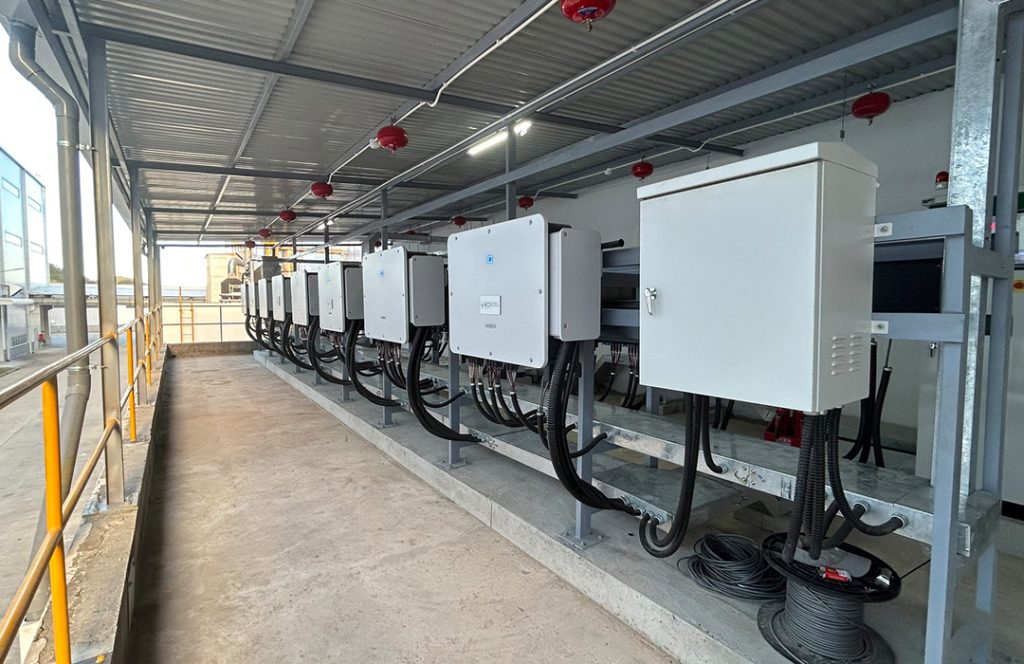
- For I-REC: If the factory already has an on-site rooftop solar system, the energy asset must be verified through the relevant I-REC ecosystem. Certificate issuance and transactions are recorded electronically to help prevent double counting.
Step 3: Integrated Design and Technical Implementation
- Energy simulation: The engineering team can use simulation tools to model factory energy performance and optimize systems such as HVAC and lighting.
- Metering systems: Separate electricity and water meters should be installed where required. These meters provide operational data that can support renewable electricity verification for I-REC and performance assessment for LEED.
Step 4: Data Collection, Monitoring, and Operational Verification
- I-REC issuance: Actual renewable electricity generation data is submitted for verification before certificates are issued with unique identification numbers.
- System commissioning: MEP systems, including electrical, water, and air-conditioning systems, should be checked to confirm that they operate in line with the intended design and performance assumptions.
Step 5: Final Review, Certification, and Ongoing Management
- GBCI review: Project documentation is submitted for review as part of the LEED certification process.
- I-REC redemption: When the renewable energy attribute is claimed for sustainability reporting or related purposes, the relevant certificate must be redeemed to confirm that the environmental attribute has been used.
- Ongoing management: Energy performance should continue to be monitored to support future certification requirements and annual ESG reporting.
365 Energy – Supporting the Factory Green Transition
We understand that researching and applying international frameworks such as I-REC, LEED, or LOTUS can place a significant burden on a factory’s internal operations team. Delays, technical inconsistencies, and cost overruns can arise when the process is not properly coordinated.
With 365 Energy, businesses can access:
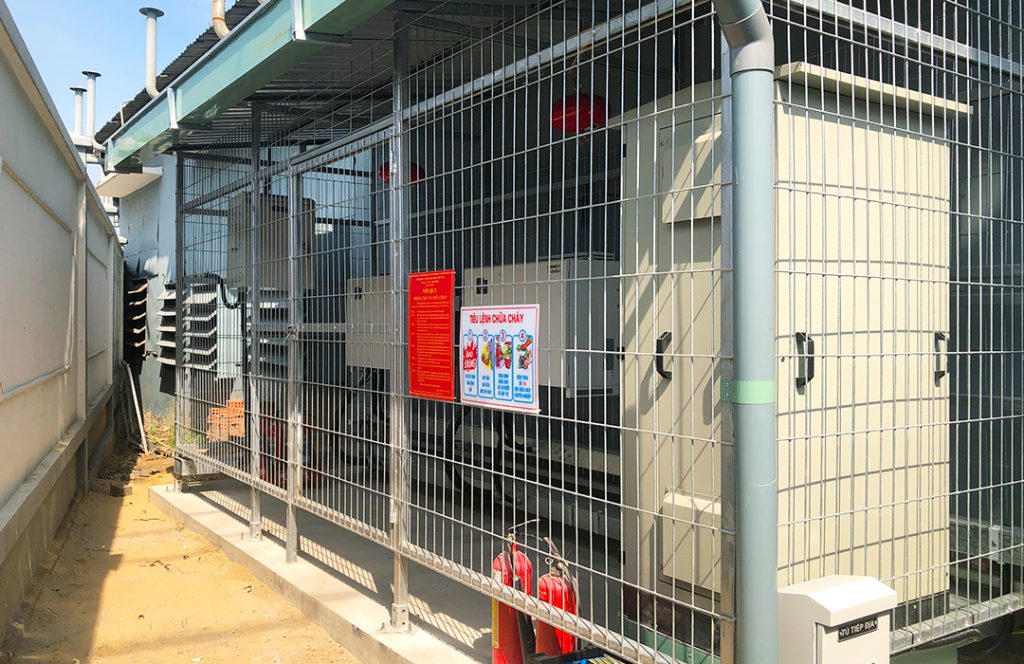
- Turnkey EPC solutions: From solar system design and construction to supporting documentation for I-REC registration.
- Cash flow optimization: Investment analysis designed to help businesses evaluate and balance CAPEX and OPEX.
- Transparency and international alignment: Clear renewable energy documentation to support export requirements and international sustainability reporting.
Green certification is not merely a certificate on the wall. It can become part of a company’s competitive positioning, helping protect market access and strengthen resilience in an increasingly carbon-conscious global economy.
Do not allow technical complexity to slow down your factory’s green transition or export ambitions.
👉 Contact 365 Energy today for professional consultation on an I-REC and LEED assessment and implementation roadmap tailored to your factory’s specific conditions.